
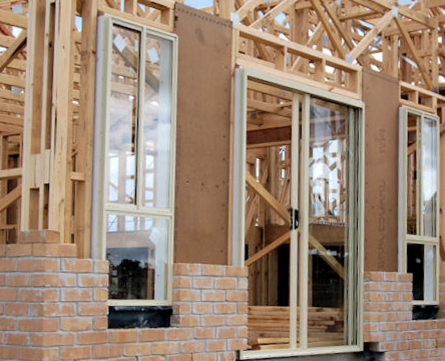
Wall Types in Residential Buildings: Clad Walls vs. Brick Veneer Walls in Australia
March 28, 2025
Author: Michael Safari
What Are Clad Walls and Brick Veneer Walls?
In residential construction, clad walls and brick veneer walls are two popular choices, each offering different benefits in terms of durability, insulation, aesthetics, and maintenance.
This guide explores the differences, advantages, fire resistance, and maintenance requirements of these wall types to help homeowners and builders make informed decisions.
Clad Walls vs. Brick Veneer Walls: Key Differences
What Are Clad Walls?
- Definition – Cladding is an exterior covering installed over a structural frame.
- Common Materials – Timber, vinyl, fiber cement, metal, and composite panels.
- Lightweight & Versatile – Cladding offers design flexibility and various textures and finishes.
What Are Brick Veneer Walls?
- Definition – A single layer of brick attached to a structural frame, creating a veneer with an air gap.
- Thermal Performance – The cavity behind the bricks provides insulation and moisture control.
- Durability & Fire Resistance – Brick is non-combustible and low-maintenance, making it ideal for bushfire-prone areas.
Pros & Cons of Clad Walls
Advantages of Clad Walls
- Versatile Design – Available in multiple materials, colors, and finishes.
- Lightweight & Cost-Effective – Cladding is lighter than brick and can be installed faster.
- Ease of Installation – Faster construction means lower labor costs.
Disadvantages of Clad Walls
- Less Durable – Some materials, like wood or vinyl, are prone to impact damage & weathering.
- Lower Thermal Efficiency – Clad walls often require extra insulation.
- Fire Resistance Varies – Certain materials, like untreated timber, are less fire-resistant.
How Brick Veneer Walls Improve Thermal Performance
Brick veneer walls provide superior thermal mass, regulating indoor temperatures by absorbing and slowly releasing heat.
Why Brick Veneer Walls Are More Energy-Efficient?
- The brick absorbs heat during the day, releasing it at night to stabilize indoor temperatures.
- The air cavity behind the brick acts as a natural insulator, reducing heat transfer.
- Reduces energy costs by minimizing the need for heating & cooling.
This makes brick veneer walls ideal for Australian homes, which experience hot summers & cool winters.
Popular Materials for Cladding Walls
Cladding materials are chosen based on durability, maintenance, and aesthetics.
| Cladding material | Pros | Cons |
| Timber | Natural aesthetic, eco-friendly | Requires regular maintenance |
| Fiber cement | Durable, fire-resistant | Higher upfront cost |
| Vinyl | Affordable, low maintenance | Can warp in extreme heat |
| Metal (Steel/Aluminium) | Modern look, fire-resistant | May require insulation for efficiency |
| Stone & composite panels | Hight-end appearence, durable | Expensive |
Selecting the right material ensures longevity & reduced upkeep.
Proper Installation of Brick Veneer for Structural Integrity
Essential Steps for Brick Veneer Installation:
- Stable Structural Frame – The frame supports the brick veneer, ensuring stability.
- Drainage Cavity – A gap between brick & frame prevents moisture buildup.
- Wall Ties – Connect bricks to the frame, allowing structural flexibility.
- Weep Holes – Positioned at the base of walls to allow trapped moisture to escape.
Proper installation prevents water damage and enhances durability.
Maintenance Requirements for Clad Walls vs. Brick Veneer Walls
Maintaining Clad Walls
- Timber Cladding – Requires sealing or repainting every few years.
- Vinyl & Metal Cladding – Needs only occasional washing.
- Fiber Cement – Minimal maintenance, but should be checked for cracks.
Maintaining Brick Veneer Walls
- Low Maintenance – Requires occasional cleaning to remove dirt & stains.
- Mortar Joint Repair – Repointing prevents water penetration & structural wear.
- Crack Inspections – Checking around windows & doors ensures wall stability.
Both wall types benefit from routine inspections to extend their lifespan.
Fire Resistance: Clad Walls vs. Brick Veneer Walls
Fire safety is critical in Australian construction, especially in bushfire-prone regions. AS 3959 Bushfire Attack Level (BAL) Standard regulates fire-resistant materials.
| Wall type | Fire resistance |
| Brick veneer | Hight fire resistance, non-combustible |
| Fiber cement cladding | Fire-resistant, meets BAL standards |
| Metal cladding | Fire-resistant, does not burn |
| Timber cladding | Low fire resistance unless treated |
For bushfire-prone areas, choosing fire-rated cladding or brick veneer ensures structural safety.
Final Thoughts: Choosing Between Clad Walls & Brick Veneer Walls
When selecting a wall type for a residential building, consider:
- Brick Veneer – Ideal for durability, insulation, and fire safety.
- Clad Walls – Best for design flexibility, affordability, and quick installation.
- Climate & Regulations – Choose fire-rated or insulated materials based on local conditions.
By understanding wall types, thermal performance, fire resistance, and maintenance needs, builders and homeowners can make informed construction decisions.
📢 Need Expert Advice on Wall Selection for Residential Buildings?
At Fundament, we specialize in structural engineering for wall systems, energy efficiency, and compliance with Australian building codes. Contact us today for expert guidance on your project!